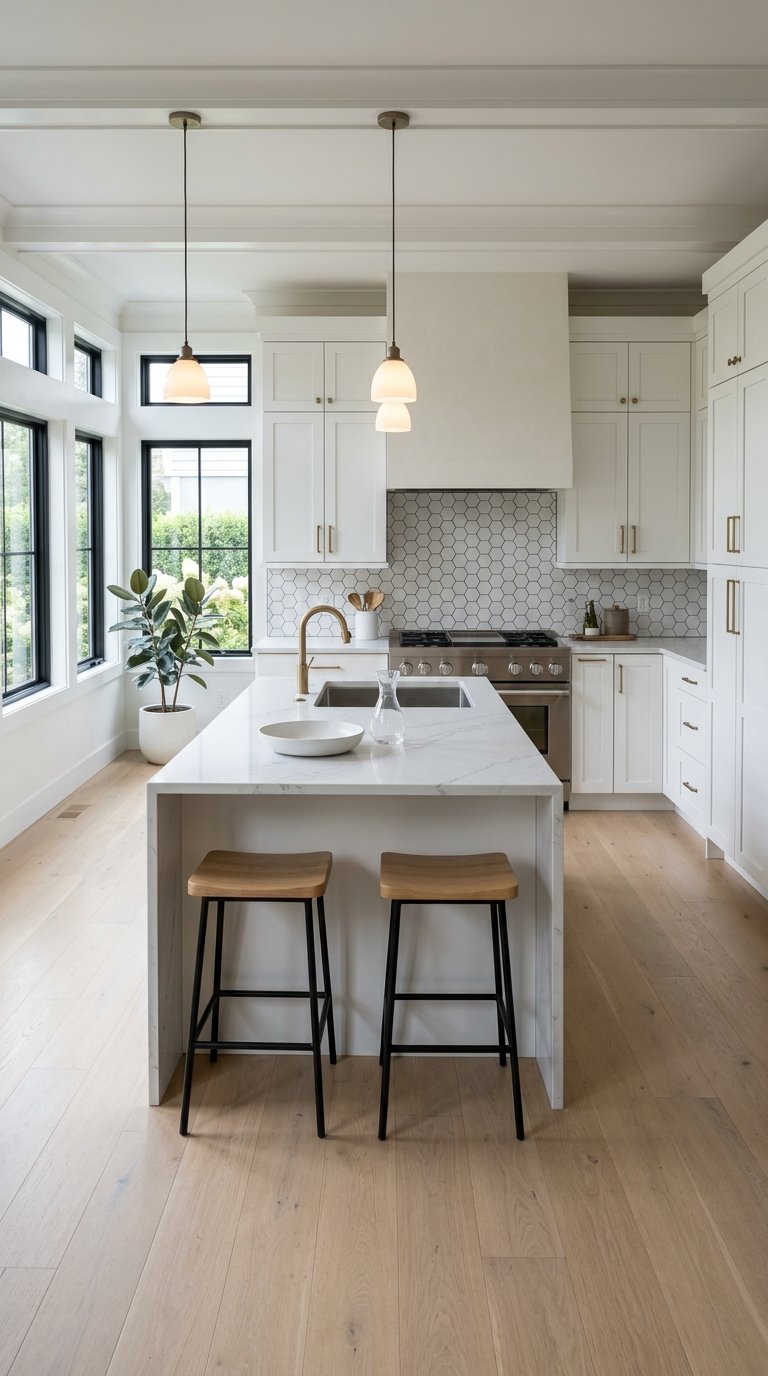
Thinking about selling your Westfield home? In a market where well-prepared listings can move fast and attract strong offers, the work you do before your home goes live can shape the entire result. If you want a smoother sale, better first impressions, and fewer surprises between contract and closing, this guide will walk you through what matters most in Westfield. Let’s dive in.
Understand the Westfield market
Westfield has recently been a seller-favored market, and that creates real opportunity for homeowners who prepare thoughtfully. Recent tracking shows a median sale price of $1,324,316 over the three months ending April 2026, with homes selling in about 11 days on average according to Redfin. Redfin also reports that 78.7% of sales closed above list price.
Realtor.com also classifies Westfield as a seller’s market. Its March 2026 data shows a median 27 days on market and a 109% sale-to-list ratio. The numbers differ by source and time frame, but the big picture is consistent: buyer demand is strong, and supply is tight.
That does not mean you can skip preparation. In a fast-moving market, buyers notice condition, presentation, and pricing right away. Your first week on the market often matters the most.
Why Westfield draws buyers
Westfield continues to attract attention for practical, day-to-day reasons that many buyers value. The town is known for its active downtown, rail access, and convenient connection to New York City and Newark. Downtown Westfield reports more than 450 stores, restaurants, and services.
NJ Transit’s Westfield Station sits on the Raritan Valley Line and offers features such as parking, bike racks, and accessibility options. For many buyers, that blend of local amenities and commuting convenience supports demand. When you market a home in Westfield, those location benefits are part of the story.
Start prep earlier than you think
One of the biggest seller mistakes is waiting too long to get organized. Realtor.com found that 53% of sellers took one month or less to get a home ready to list. Even so, homes usually present better when sellers give themselves enough time for planning, touch-ups, and scheduling.
Spring is often the strongest selling season, and Realtor.com’s 2026 analysis identified April 12 through 18 as the best week nationally to list. Even if your timeline points to another season, the lesson still applies. Preparation should start before you feel ready to list, not after.
A practical Westfield timeline often looks like this:
- Several weeks for prep and presentation
- A short market window once the home is live
- Several more weeks from accepted offer to closing for financed deals
That rhythm fits what current market data shows. Homes can move quickly, but the work before and after the listing date still takes time.
Focus on presentation first
In Westfield, presentation is not a bonus. It is part of the product you are selling. Buyers often make decisions online before they ever step through the door, so how your home looks in photos and during showings can directly affect interest and offer strength.
According to the National Association of Realtors’ 2025 staging survey, 83% of buyers’ agents said staging made it easier for buyers to visualize a home as their future residence. The same report found that 17% said staging increased dollar value offered by 1% to 5%. Sellers’ agents also reported that staging reduced time on market.
NAR’s buyer research adds another important point. Among buyers who used the internet during their search, photos were the most useful website feature at 66%, followed by detailed property information at 65%, floor plans at 47%, and virtual tours at 33%.
Pay attention to Westfield’s older housing stock
Westfield has many older homes, and that is an important part of selling here. A Town of Westfield rehabilitation study found that 77.8% of the town’s housing units were built in 1969 or earlier, and 38.4% were built in 1939 or earlier.
Older homes can offer character and charm, but they also deserve extra attention before listing. Cosmetic updates, maintenance review, and system checks can help your home show more confidently. They can also help you avoid surprises once buyers begin inspections and disclosure review.
Before listing, it helps to review:
- Paint touch-ups and minor cosmetic repairs
- Flooring condition and deep cleaning
- Curb appeal and exterior maintenance
- Aging systems that may need servicing
- Known property conditions that should be disclosed clearly
You do not need to over-renovate every room. In many cases, clean presentation, smart updates, and honest preparation go further than expensive last-minute projects.
Price from current local comps
Even in a strong seller’s market, pricing matters. A high list price does not guarantee a better result, especially when buyers are watching new listings closely and comparing them to recent neighborhood sales.
In Westfield, where competitive homes can attract multiple offers quickly, pricing should be based on current local comps rather than broad county or statewide averages. That means looking closely at recent nearby sales, active competition, home condition, lot characteristics, and presentation level. The goal is not to test the ceiling for too long. The goal is to launch at a price that supports attention and momentum.
This is one reason many sellers want experienced guidance. NAR reports that sellers primarily choose agents for help marketing the home, pricing it competitively, and selling within a specific timeframe.
What buyers notice right away
When your home hits the market, buyers usually react to a few key things first. These are often the factors that shape showing traffic and offer activity in the opening days.
Photos and digital first impressions
Most buyers start online, so professional photography matters. Bright, clean images and a clear visual story help buyers decide whether your home is worth a visit.
Space and flow
Floor plans and thoughtful staging can help buyers understand how rooms connect and how they might use the space. This is especially helpful in older homes where layouts may vary from one property to the next.
Condition and care
Decluttering, touch-ups, and a polished exterior signal that the home has been maintained. Buyers may feel more comfortable making strong offers when a home feels cared for from the start.
What happens after you accept an offer
An accepted offer is a major milestone, but it is not the finish line. In New Jersey, the period between contract and closing includes several important steps that sellers should understand.
Attorney review comes first
If the contract is prepared by a real estate licensee, New Jersey requires an attorney review clause. That gives both buyer and seller three business days after delivery of the fully signed contract to consult an attorney. During that period, the attorney may propose revisions or void the agreement.
Because of that review window, a signed contract does not always mean the deal is final right away. It is a normal part of the New Jersey process and an important one to plan for.
Earnest money is usually held in escrow
New Jersey’s consumer guide notes that earnest money is usually held in escrow. This is a standard part of the transaction structure and one of several details that get coordinated once a deal is moving forward.
Disclosures matter
Sellers in New Jersey need to complete disclosures accurately and based on their knowledge of the property. The New Jersey Division of Consumer Affairs says the Seller’s Property Condition Disclosure Statement is intended to disclose known conditions to the best of the seller’s knowledge. Sellers are also obligated to disclose known material defects even if a specific question does not appear on the form.
The updated state disclosure includes flood-risk questions. If your home was built before 1978, federal law also requires disclosure of known lead-based paint hazards and related records before the contract is ratified.
Compliance items can affect timing
Some closing requirements are easy to overlook until the last minute. New Jersey requires a smoke alarm, carbon monoxide alarm, and portable fire extinguisher compliance certificate before a one- or two-family or attached single-family home is sold or otherwise changes occupancy.
Sellers should also be aware that New Jersey imposes a Realty Transfer Fee on the seller for recording the deed unless an exemption applies. If the property uses a private well, the Private Well Testing Act requires testing and review of results before closing.
Closing usually takes more than a few days
For financed transactions, closing usually takes several weeks after contract execution. Inspections, underwriting, document review, and scheduling all take time. Federal mortgage rules also require the lender to deliver the Closing Disclosure at least three business days before closing.
That means your move-out planning, repairs, and final logistics should leave room for a real closing timeline. Fast market conditions do not always equal instant settlement.
How concierge service helps sellers
Selling a home in Westfield often requires more than putting a sign in the yard and waiting for offers. You are managing preparation, pricing, presentation, showings, negotiation, contract details, and closing coordination, often on a tight timeline.
That is where a high-touch approach can make a real difference. The Joely Real Estate Group’s Joely Custom Concierge System includes staging, professional photography, floor plans, tailored digital and print marketing, hands-on management of showings, guidance on offer quality, terms, and timelines through closing, plus post-sale support.
For sellers, that means help where it counts most:
- Preparing the home for market
- Presenting it professionally from day one
- Pricing based on current local evidence
- Managing showing activity efficiently
- Comparing offers beyond just price
- Keeping the transaction moving through closing
In a market like Westfield, that kind of support can help you protect momentum and make better decisions from start to finish.
A smart sale starts before the listing date
The strongest Westfield sales usually do not happen by accident. They start with a clear plan, thoughtful home prep, strong marketing assets, realistic pricing, and careful management once an offer comes in.
If you are thinking about selling, now is the right time to start the conversation, even if your move is still a few months away. The earlier you plan, the more options you usually have to improve presentation, reduce stress, and time your launch well. When you are ready for tailored guidance, connect with Joely Triantafyllou to request your custom concierge consultation.
FAQs
How fast are homes selling in Westfield, NJ?
- Recent market data shows Westfield homes selling quickly, with Redfin reporting about 11 days on average over the three months ending April 2026, while Realtor.com reported a median 27 days on market in March 2026.
What should sellers fix before listing a Westfield home?
- Sellers should focus first on clean presentation, paint touch-ups, decluttering, curb appeal, and reviewing known property conditions, especially since much of Westfield’s housing stock was built in 1969 or earlier.
What disclosures are required when selling a home in New Jersey?
- New Jersey sellers should complete the Seller’s Property Condition Disclosure Statement accurately, disclose known material defects, address flood-risk questions on the updated form, and provide lead-based paint disclosures when required for homes built before 1978.
What is attorney review in a New Jersey home sale?
- In New Jersey, if a contract is prepared by a real estate licensee, buyer and seller have three business days after delivery of the fully signed contract to have an attorney review it, propose changes, or cancel the agreement.
How long does closing take after accepting an offer in Westfield?
- For financed deals, closing usually takes several weeks after contract execution because the process often includes inspections, underwriting, document review, and required lender timing before settlement.
Why does staging matter when selling a Westfield house?
- Staging can help buyers picture themselves in the home, and NAR’s 2025 survey found that many agents believe it can reduce time on market and sometimes increase the dollar value offered.