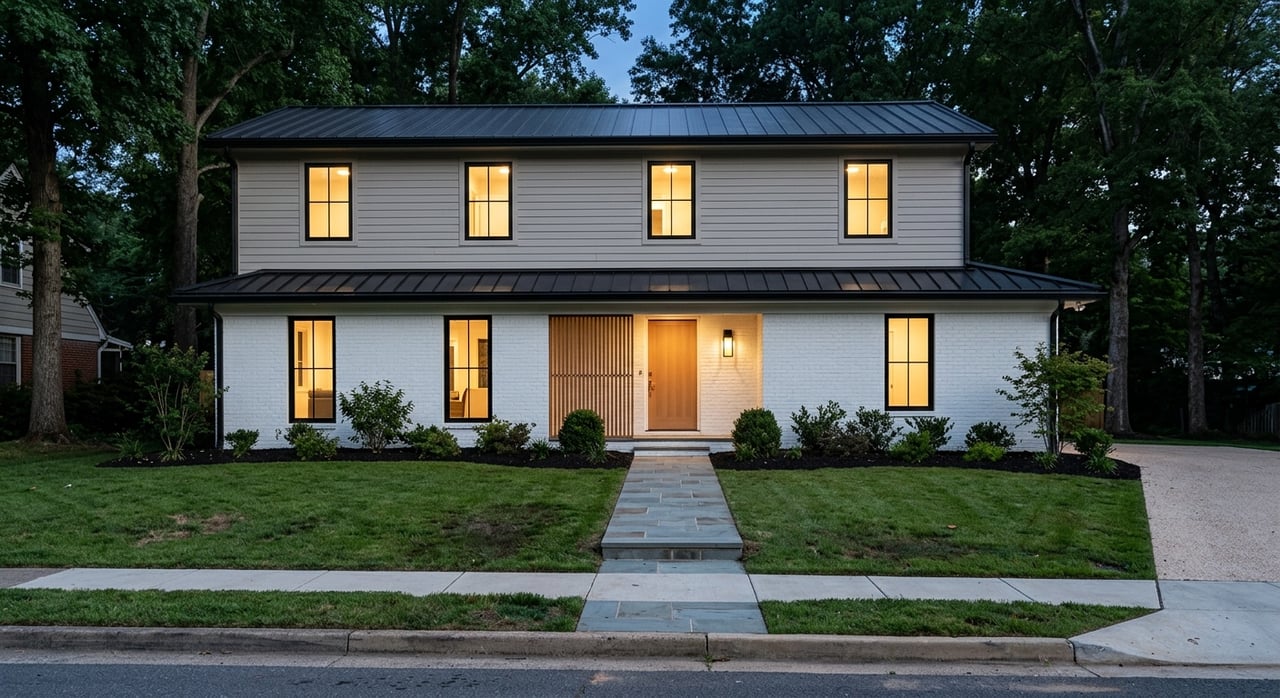
Wondering if you can get a real suburban lifestyle without giving up your New York City routine? If Cranford is on your list, you are probably weighing a few big questions at once: How workable is the commute, which parts of town feel easiest day to day, and what trade-offs come with living close to the station? This guide will help you sort through the practical side of commuting from Cranford to Manhattan so you can decide whether the town fits your lifestyle and housing goals. Let’s dive in.
What Makes Cranford Appealing
Cranford stands out because it offers more than just a train stop. It gives you a downtown-centered commuter setup, plus access to both rail and bus service into New York City. For many buyers, that mix creates the kind of routine that feels manageable during the workweek and enjoyable on weekends.
The town is especially appealing if you want to be in a place where daily errands, dining, and station access can connect in one area. Cranford’s planning documents place a strong emphasis on the downtown and station area, with housing and mixed-use development intended to strengthen the link between residents and downtown life.
How the Cranford-to-NYC Commute Works
For most Manhattan commuters, the train is the main option. Cranford Station sits on NJ Transit’s Raritan Valley Line, and NJ Transit identifies the station as accessible, with parking and bike racks or lockers available.
The key detail is that Cranford does not offer the same ride pattern on every train. Some weekday trips require a change at Newark Penn Station for New York, Secaucus, or Hoboken, while selected trains offer a one-seat ride into Penn Station New York.
That means your experience depends partly on your schedule. If you commute at consistent times and can match your day to a direct train, Cranford may feel very efficient. If you need total flexibility and expect every peak train to be a guaranteed direct ride, the setup may feel less seamless.
Train Timing to Manhattan
Based on the current NJ Transit timetable, some direct weekday runs from Cranford to New York Penn take about 50 minutes end to end on listed early departures. That is a meaningful benchmark for buyers comparing Cranford with other New Jersey commute towns.
There are also trips that involve a transfer. Even with that reality, the train remains a strong option for buyers who value a predictable rail schedule and want a commute pattern they can plan around.
Bus Option to Midtown
Cranford also has a useful bus alternative. NJ Transit Bus Route 113 serves Midtown, and the official schedule marks some runs as express service between New York and Cranford.
A current trip-planner estimate shows about 58 minutes from North Avenue at Alden Street to Port Authority Bus Terminal on the 113 bus. For some buyers, that one-seat bus ride is a real advantage, especially if they live near the North Avenue corridor or simply prefer avoiding a train transfer.
Is Cranford a Good Fit for Your Commute Style?
Cranford tends to work best if you want options. You can use rail as your main commute tool, but you also have a bus alternative to Midtown. That kind of backup plan matters when you are choosing a town for the long term.
It is a particularly strong fit if you value a classic commuter suburb with a real downtown and can accept that not every train to Manhattan will be direct. It is a weaker fit if your ideal setup includes easy free all-day parking at the station or a direct train every single time.
Where to Look for Commute Convenience
If your top priority is getting to the station easily, location within Cranford matters a lot. The most commuter-friendly areas are generally the downtown and station-adjacent sections, not the more car-dependent edges of town.
Cranford’s master plan defines the Downtown Core around North Avenue from Miln Street to the Rahway River and South Avenue from South Union Avenue to the Rahway River. It also defines the Downtown Business District as North Avenue from Orchard Avenue to Miln Street and South Avenue from Washington Avenue to South Union Avenue.
For buyers focused on commute ease, the clearest places to explore are the areas identified in Cranford’s planning documents: Downtown Core, Downtown Business, Downtown Transition, Cranford Crossing, and the Riverfront redevelopment district. These are the places where rail access, downtown convenience, and walkability are most concentrated.
Why Station-Adjacent Areas Draw Attention
Living near the station can simplify your morning routine in a big way. You may be able to walk to the train, reach the bus more easily, or depend less on parking availability.
There is also a lifestyle advantage. The same parts of town that support commuting often place you closer to downtown businesses and everyday conveniences, which can make your overall routine feel easier and more connected.
What to Know About Parking
Parking is one of the biggest practical details to understand before buying in Cranford. This is not a free-form commuter parking setup where you can assume all-day access will be easy.
NJ Transit lists several station-area parking choices. These include South Avenue and High Street permit parking with 161 spaces, the South Avenue West and South Union Avenue garage with 161 spaces at $0.50 per hour, a South Avenue daily commuter lot with 77 spaces at $6 per day, and permit or on-street parking on Chestnut Avenue.
Permit pricing also matters. NJ Transit lists some lots at $600 per year, and certain station lots have a no-parking window from 2 a.m. to 5 a.m. unless you have overnight or 24-hour permission.
The borough adds another layer of rules that affect everyday convenience. Cranford states that meter and pay-station parking is enforced Monday through Saturday from 9 a.m. to 6 p.m., while 12-hour commuter lots and the garage begin enforcement at 5:30 a.m. Parking is prohibited in business-district lots, garage spaces, and streets between 2 a.m. and 5 a.m. without an overnight or 24-hour permit.
Why Parking Rules Matter When Buying
Parking access is not just a commuting issue. It can shape where you want to live and how much car dependence fits your routine.
If you are comparing homes, it helps to ask practical questions like these:
- Can you walk to the station instead of driving?
- Which nearby lot or permit type would you actually use?
- Do your work hours line up with daily parking rules?
- Would you rather live on a quieter street and drive, or closer to downtown and walk?
The right answer depends on your routine, not just the map.
How Station Proximity Can Affect Value
Convenience often influences demand, and Cranford is no exception. New Jersey transportation planning guidance says walkable, transit-oriented downtowns can strengthen land values and property tax revenues, and NJ Transit’s transit-oriented development materials say this kind of development can increase land values.
Rutgers researchers also found that access to train stations is highly valued, and that proximity to stations with direct access to New York City is associated with higher relative property valuations. In practical terms, that suggests homes in Cranford’s walkable station-area blocks may hold especially strong appeal for future buyers.
That does not mean every home near the station automatically commands a premium. It means commute convenience tends to support demand, especially when it is paired with downtown access and a practical day-to-day routine.
The Trade-Off Side of Buying Near the Station
There is a balance to strike. The closest homes may offer the easiest access, but buyers should also consider parking eligibility, street activity, and whether a busier downtown setting fits their lifestyle.
Some buyers love being in the middle of everything. Others prefer a quieter residential street that is still close enough to walk to the station without feeling immersed in the busiest blocks.
So, Is Cranford the Right NYC Commute Town for You?
Cranford may be the right fit if you want a commuter town that gives you real choices. The train is the core option, the 113 bus adds flexibility, and the downtown-centered layout can make daily life feel easier when you choose the right location.
It may be especially appealing if you want a town where commute planning and lifestyle go together. If you are comfortable with a mix of direct and transfer train service, and you understand the parking system before you buy, Cranford can be a very smart move.
The best way to evaluate the town is to match the housing search to your actual routine. A home that looks great on paper may feel very different if you need a daily parking permit, prefer a one-seat ride, or want to walk to both transit and downtown.
If you are considering Cranford or comparing it with other Union County commuter towns, Joely Triantafyllou can help you narrow down the right streets, commute setups, and home options for your lifestyle.
FAQs
Is Cranford NJ a direct train town to Manhattan?
- Cranford has selected one-seat rides to Penn Station New York on certain weekday trains, but not every trip is direct and some require a change at Newark Penn Station.
Is the bus from Cranford NJ to Midtown a realistic option?
- Yes. NJ Transit Bus Route 113 serves Midtown, and some runs are marked as express service between New York and Cranford.
Which parts of Cranford NJ are best for commuters?
- The most commuter-friendly areas are generally the downtown and station-adjacent sections identified in Cranford planning documents, including the Downtown Core, Downtown Business, Downtown Transition, Cranford Crossing, and the Riverfront redevelopment district.
Is parking at Cranford Station free all day?
- No. Cranford’s station-area parking is managed through a mix of permits, hourly parking, and daily commuter lots, with specific enforcement times and overnight restrictions.
Does living near Cranford Station help resale value?
- Research cited in New Jersey transportation planning and Rutgers studies suggests that proximity to train stations and transit-oriented downtown areas can support property demand and relative valuations, especially where New York access is strong.