The Ultimate Guide to Moving from the City to NJ Suburbs
Thinking of trading in the hustle and bustle of city life for the tranquility and charm of the New Jersey suburbs? Making the move can be both exciting and daunting, but with the right preparation, you’ll be settling into your new suburban home in no time. Here’s your ultimate guide to make the transition smooth and stress-free when you’re considering moving from the city to the suburbs.

1. Finding the Right Neighborhood
Choosing the right neighborhood is crucial for a successful move. In New Jersey, popular suburban areas like Westfield, Summit, Cranford, Chatham, Short Hills/Millburn, and Maplewood offer a variety of amenities and community vibes
- Westfield: Known for its excellent schools and vibrant downtown, Westfield combines a small-town feel with the convenience of city amenities. The downtown area features a variety of shops, restaurants, and entertainment options, making it a favorite for families and professionals alike.
- Summit: Offers a mix of historic charm and modern conveniences. The town boasts beautiful Victorian homes, top-rated schools, and a bustling downtown area. Summit is also known for its strong sense of community and numerous recreational opportunities.
- Cranford: Family-friendly with great parks and recreational facilities, Cranford is perfect for those who love the outdoors. The town offers a variety of parks, walking trails, and a charming downtown area with unique shops and dining options.
- Chatham: Top-notch schools and a strong sense of community make Chatham a desirable location for families. The town is known for its well-maintained homes, beautiful parks, and an active community life.
- Short Hills/Millburn: Luxurious living with upscale shopping and dining, Short Hills and Millburn are known for their high-end real estate and proximity to New York City. The area offers top-rated schools, a vibrant arts scene, and numerous recreational facilities.
- Maplewood: Artistic and diverse with a welcoming atmosphere, Maplewood is known for its eclectic mix of residents and vibrant downtown area. The town offers a variety of cultural events, beautiful parks, and a strong sense of community.
Explore each area, visit local attractions, and talk to residents to get a feel for what suits you best. Don’t rush this part of the process – finding the right neighborhood is essential for your long-term happiness.
2. Adjusting to the Commute
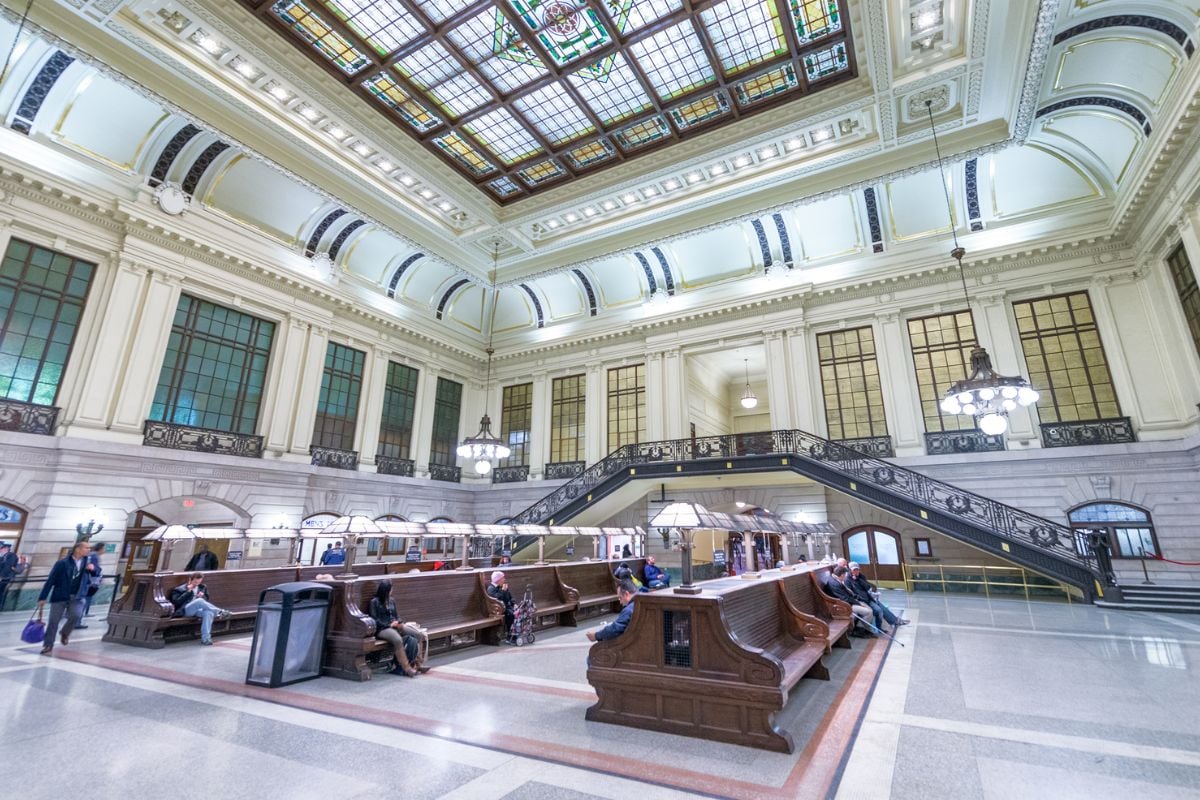
One of the biggest adjustments when moving to the suburbs is the commute. Whether you’re working in NYC or another nearby city, understanding your commuting options is essential.
- Public Transport: NJ Transit offers reliable train and bus services to NYC. The trains are known for their punctuality and comfort, making them a popular choice for commuters. Many towns in New Jersey have their own train stations, providing easy access to Manhattan and other areas.
- Driving: If you prefer driving, check the traffic patterns and parking facilities. Many suburban areas offer park-and-ride options, where you can drive to a nearby station and take the train the rest of the way. Be prepared for potential traffic during peak hours, and plan your route accordingly.
- Carpooling: Consider joining carpool groups to save time and reduce commuting stress. Carpooling can also be a great way to meet neighbors and build a sense of community.
Plan your route and test it out during peak hours to get a realistic idea of your daily commute. It’s also helpful to consider flexible working options, such as working from home a few days a week, to reduce the commuting burden.

3. Finding Your Dream Home
The Joely Real Estate Group specializes in helping city dwellers find their perfect suburban home. Here’s what to consider:
- Home Size and Style: Think about the type of home that suits your lifestyle – single-family homes, townhouses, or condos. Single-family homes offer more space and privacy, while townhouses and condos provide lower maintenance options.
- Budget: Establish a budget that includes not just the purchase price, but also property taxes, maintenance, and potential renovations. It’s important to factor in all costs to ensure you’re making a financially sound decision.
- Future Growth: Consider your long-term plans. Is this a starter home, or do you plan to settle here for many years? Think about your family’s needs now and in the future.
- Neighborhood Amenities: Look for neighborhoods with amenities that match your lifestyle, such as parks, schools, shopping, and dining options. Proximity to these amenities can greatly enhance your quality of life.
- Resale Value: Consider the potential resale value of the home. Even if you plan to stay for many years, it’s important to choose a home that will appreciate in value over time.
Our personalized approach ensures we match you with a home that meets your unique needs and exceeds your expectations. We’ll guide you through every step of the process, from finding the perfect home to negotiating the best deal.

4. Integrating Into the Community
Moving from the city to a new area means building new connections. Here’s how to integrate into your new community:
- Join Local Groups: Participate in local clubs, sports teams, or community organizations. This is a great way to meet people with similar interests and build a network of friends.
- Attend Events: Go to town events, farmers’ markets, and festivals to meet your neighbors. These events provide a relaxed environment to socialize and learn more about your new community.
- Volunteer: Giving back is a great way to feel connected and make a positive impact. Look for volunteer opportunities in your area, such as local charities, schools, or community centers.
- Connect with Neighbors: Take the time to introduce yourself to your neighbors. A simple hello and friendly conversation can go a long way in building a sense of community.
- Explore Local Businesses: Support local businesses by shopping and dining locally. This not only helps the local economy but also provides opportunities to meet business owners and other residents.
Building a network of friends and acquaintances will help you feel at home faster. Don’t be afraid to step out of your comfort zone and try new things – you’ll be surprised at how welcoming suburban communities can be.

5. Navigating Local Schools and Amenities
If you have children, researching local schools is a top priority. New Jersey suburbs are known for their excellent school districts. Here’s what to look for:
- School Tours: Visit schools and meet with teachers to understand the educational environment. Many schools offer tours and open houses for prospective families.
- Extracurricular Activities: Explore the variety of extracurricular activities available for your children. Look for schools with strong programs in sports, arts, and academics.
- School Ratings: Check online ratings and reviews of schools in your desired area. Websites like GreatSchools.org provide valuable insights into school performance and parent reviews.
- Special Programs: If your child has specific educational needs, look for schools with programs that cater to those needs. Many suburban schools offer advanced placement courses, special education services, and gifted programs.
Additionally, familiarize yourself with local amenities such as parks, shopping centers, and healthcare facilities. Knowing where these amenities are located will help you settle in and make the most of your new community.

6. Preparing for the Move
Moving from the city to the suburbs requires careful planning and organization. Here are some tips to make the process smoother:
- Create a Moving Checklist: Start by creating a detailed moving checklist that outlines all the tasks you need to complete before, during, and after the move. This will help you stay organized and ensure nothing is overlooked.
- Hire Professional Movers: Consider hiring professional movers to handle the heavy lifting and transportation of your belongings. This can save you time and reduce the stress of moving.
- Declutter and Donate: Take the opportunity to declutter your home and donate items you no longer need. This will make packing easier and help you start fresh in your new home.
- Pack Strategically: Pack your belongings in an organized manner, labeling each box with its contents and the room it belongs to. This will make unpacking more efficient.
- Notify Important Parties: Notify your utility companies, banks, and other important parties of your change of address. Set up mail forwarding with the post office to ensure you receive all your mail.
Set Up Your New Home: Before moving day, set up your new home by arranging for utilities to be connected, scheduling any necessary repairs, and setting up essential services like internet and cable.

7. Adjusting to Suburban Life
Once you’ve settled into your new home, it’s time to adjust to suburban life. Here are some tips to help you make the most of your new environment:
- Embrace the Outdoors: Suburban areas often offer more outdoor space and recreational opportunities than the city. Take advantage of local parks, hiking trails, and outdoor activities.
- Get Involved in the Community: Participate in community events, join local clubs, and volunteer. Building connections in your new community will help you feel at home faster.
- Explore Local Attractions: Take the time to explore the attractions and amenities in your new area. Visit local museums, attend theater performances, and discover hidden gems in your town.
- Maintain a Healthy Work-Life Balance: Suburban life can offer a more relaxed pace than the city. Use this opportunity to find a healthy work-life balance, prioritizing time with family and friends.
Stay Connected with Old Friends: While it’s important to build new connections, don’t forget to stay connected with friends from the city. Regular visits and catch-ups can help you maintain those important relationships.
8. Making the Most of Your New Home
Your new suburban home is a place to create lasting memories and enjoy a higher quality of life. Here are some tips to make the most of your new space:
- Personalize Your Home: Decorate and personalize your home to reflect your style and preferences. Create spaces that are comfortable and inviting.
- Create Outdoor Living Spaces: If you have a yard or outdoor space, create areas for relaxation and entertainment. Consider adding a patio, garden, or outdoor seating area.
- Host Gatherings: Invite friends and neighbors over for gatherings and social events. Hosting parties and get-togethers is a great way to build relationships and create a sense of community.
- Stay Active: Suburban living often provides more opportunities for physical activity. Join a local gym, take up a new sport, or simply enjoy walks around your neighborhood.
Enjoy the Peace and Quiet: One of the biggest advantages of suburban living is the peace and quiet it offers. Take the time to enjoy the tranquility and slower pace of life.
Conclusion
Moving from the city to the NJ suburbs is a significant life change, but it’s also an opportunity for a fresh start and a better quality of life. With careful planning and the right support, your transition can be smooth and enjoyable. The Joely Real Estate Group is here to guide you every step of the way, ensuring you find the perfect home and community. Ready to make the move? Contact us today and let’s get started!